08/11/2026
This weeks letter is: Z
Z is for Zoonosis
Zoonosis means an infectious disease that spreads naturally between vertebrate animals and humans. These illnesses are caused by pathogens including viruses, bacteria, parasites and account for more than 60% of all known human infectious diseases.
Common transmission routes can be through direct contact (touching saliva, blood, urine or bodily fluids of an infected animal), vector-borne (bites from intermediate hosts such as infected ticks, fleas or mosquitoes) and food-borne/water-borne (from eating undercooked meat, unpasteurised dairy or drinking contaminated water).
Endemic zoonotic diseases in the UK include:
Lyme Disease – spread by tick bites in woods and moorlands, caused by bacteria from deer and small mammals.
Campylobacteriosis – The leading cause of infectious diarrhoea in the UK, usually linked to poultry and farm animals.
Bovine Tuberculosis – A bacterial infection from cattle that can pass to humans via unpasteurised milk or close contact.
Leptospirosis – Caught from water or soil contaminated with the urine of infected rodents.
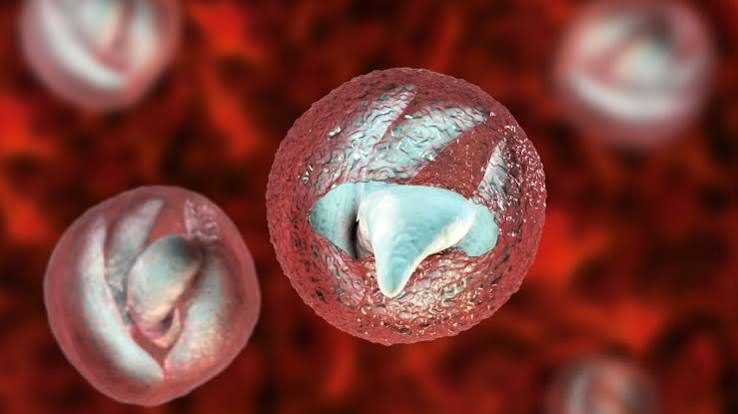
Cryptosporidiosis – An illness which causes diarrhoea spread through contaminated water or contact with farm livestock.
To help prevent spread of Zoonotic diseases make sure to wash your hands thoroughly after handling pets, farm animals or animal waste. Cook meat completely and avoid unpasteurised milk products and check for ticks after walking in grassy or wooded areas.