19/05/2026
Today's Supreme Court judgment on street dogs in India is concerning to say the least.
The Court has refused to modify its order directing the permanent removal of street dogs from hospitals, schools, railways, and public spaces across India. It dismissed every petition filed by animal welfare groups seeking to change this. Municipal officials implementing these drives have been granted legal immunity. Dogs are to be rounded up and permanently relocated to shelters, shelters that, for the most part, do not exist and cannot absorb tens of millions of animals.
India has an estimated 60 million street dogs. There is no shelter infrastructure remotely capable of housing them. "Permanent relocation" is not a humane solution. It is, in practice, a death sentence, dressed in legal language that stops short of the word culling only because the law forbids it.
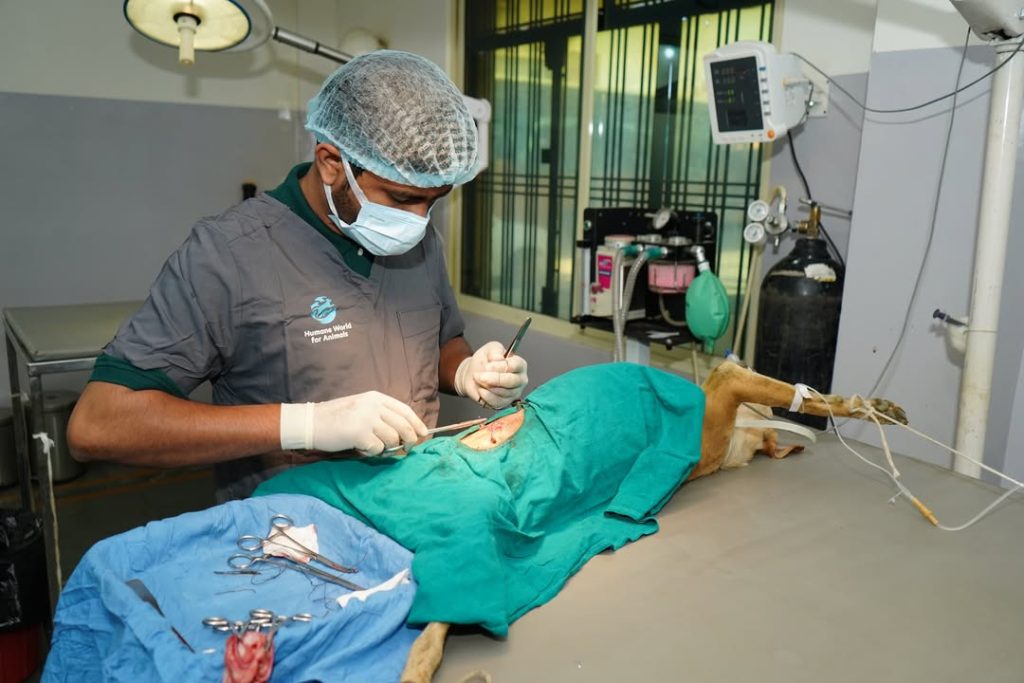
Yes, the Court also directed States to build Animal Birth Control (ABC) infrastructure - spay/neuter facilities, trained personnel, rabies vaccine supply. We welcome that. But you cannot in one breath mandate humane population management and in the next order mass removal with nowhere to put the animals. These two things are in direct contradiction.
Science is unambiguous: removing dogs from their territories does not reduce conflict. It destabilizes populations, creates space for new unvaccinated animals, and makes communities less safe. We know this because we have spent years proving what actually works.
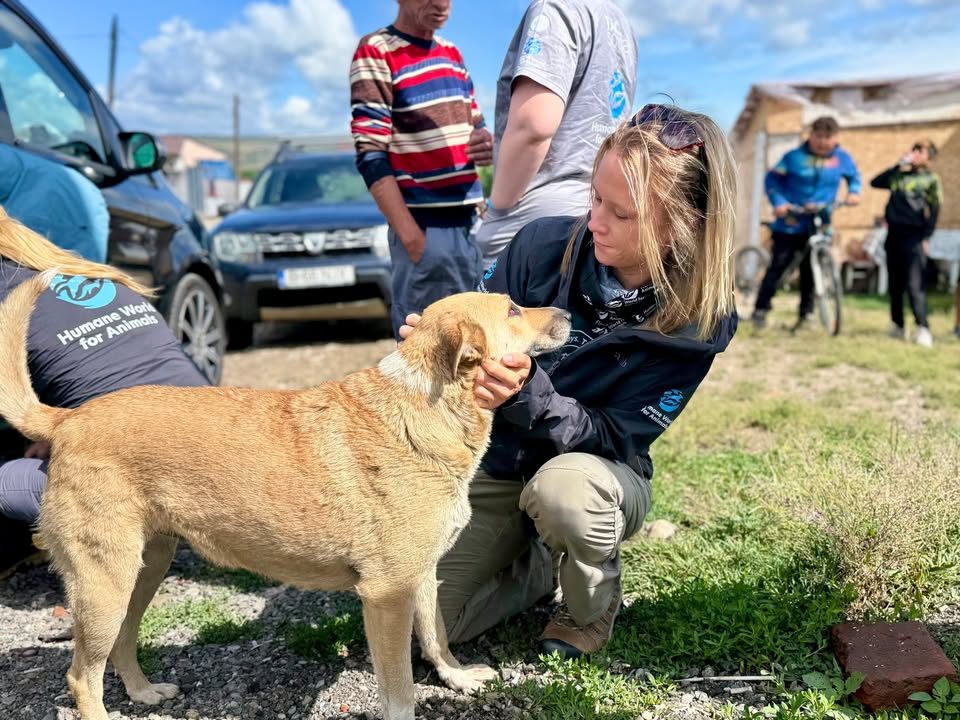
In Lucknow, our Humane World for Animals India model ABC program, has sterilized over 100,000 street dogs and achieved more than 80% sterilization coverage across this sprawling city. But the numbers only tell part of the story. What makes Lucknow replicable is the community infrastructure built around it: over 475 local resident groups active across the city, more than 15,000 community members involved in monitoring dogs, managing feeding zones, and working alongside our field teams. A quarter of all sterilizations have been enabled directly through community participation. Children's dog behavior workshops are reducing fear and conflict at the source. This is what sustained, science-led, community-owned street dog management looks like.
We urge every State government and municipal body: do not use this judgment as a green light for mass roundups. The law still requires humane treatment. The science still demands sterilization and vaccination. Lucknow shows it can be done - at scale, with communities, and with lasting results. We are ready to help any government serious about doing this right. The dogs, and the communities living alongside them, depend on it.