Beasley Equine Clinic

Call Directions Website Contact the business

Beasley Equine Clinic Here for the horse since 1981. Founder: Dr. Ron Beasley

Veterinarians: Dr. Travis Beasley & Dr. Jenny Buchanan

Established in 1981, Beasley Equine Clinic has been a trusted provider of comprehensive equine veterinary care for over four decades. Located in Eldorado, IL, we specialize in the health and wellness of horses, offering a wide range of services including preventive care, diagnostics, sports medicine, reproductive services, and emergency care. We are committed to building lifelong relationships with you and your equine companion by providing care that goes beyond treatment, communication that builds trust, and education that empowers all. Dr. Travis Beasley is a 2013 graduate of the University of Illinois College of Veterinary Medicine. After graduation, Travis completed an internship at JEH Reproduction Specialists and Hospital in Whitesboro, TX, prior to returning fulltime to Beasley Equine Clinic.

This Veterans Day, we want to share the story of a remarkable little mare who served alongside American Marines during t...
11/11/2026

This Veterans Day, we want to share the story of a remarkable little mare who served alongside American Marines during the Korean War.

Sergeant Reckless was a Mongolian mare purchased by the U.S. Marine Corps in 1952 to help transport am******on and supplies across difficult terrain. What began as a job carrying supplies soon turned into an extraordinary story of courage and loyalty.

During the Battle of Outpost Vegas in March 1953, Reckless made 51 trips in a single day, carrying am******on up steep hills to Marines on the front lines and bringing wounded soldiers back down to safety. She traveled much of the route on her own, navigating enemy fire and explosions. Despite being wounded twice during the battle, she continued her work.

For her service, Reckless received two Purple Hearts and was eventually promoted to the rank of staff sergeant. She became a beloved member of the Marine Corps and remains one of the most celebrated war horses in American military history.

Reckless's story is a reminder of the incredible bond between humans and horses, even in the most difficult circumstances.

Today, we honor all the brave men and women who have served our country, including the Marines who fought alongside Reckless and the countless veterans whose sacrifices have protected our freedoms.

From all of us at Beasley Equine Clinic, thank you to our veterans for your courage, service and sacrifice. Happy Veterans Day! 🇺🇸

Good news! Dr. Kiley Kelly has chiropractic openings for tomorrow, November 10th, beginning at 12 pm. Call 618-273-9898 ...
11/09/2026

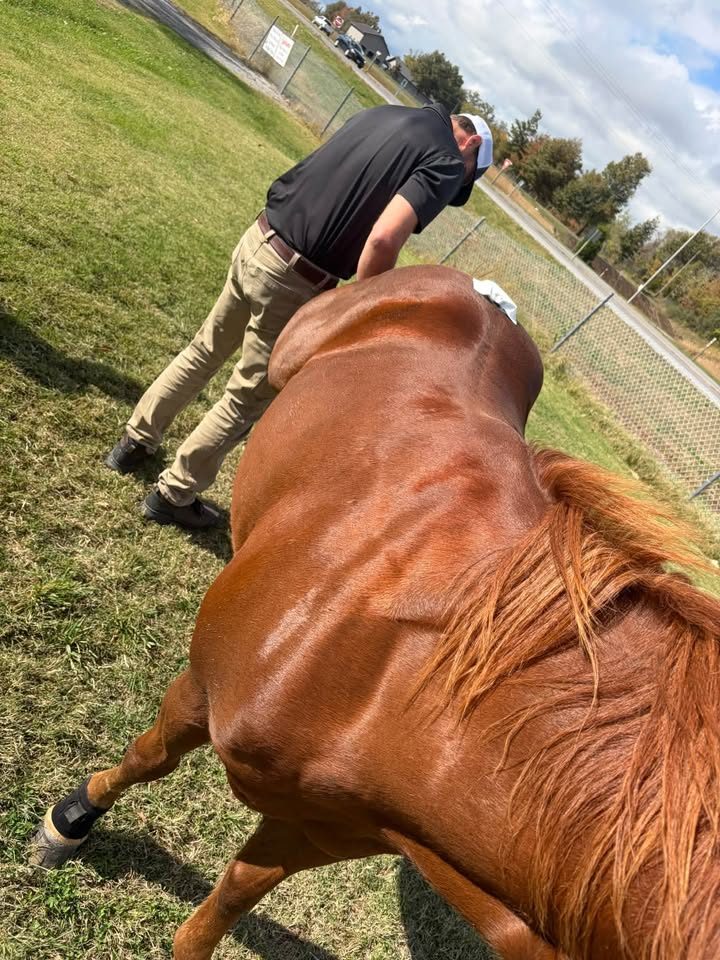
Good news! Dr. Kiley Kelly has chiropractic openings for tomorrow, November 10th, beginning at 12 pm. Call 618-273-9898 to claim your spot today!

Happy Friday! We hope everyone had a wonderful first week of November!
11/07/2026

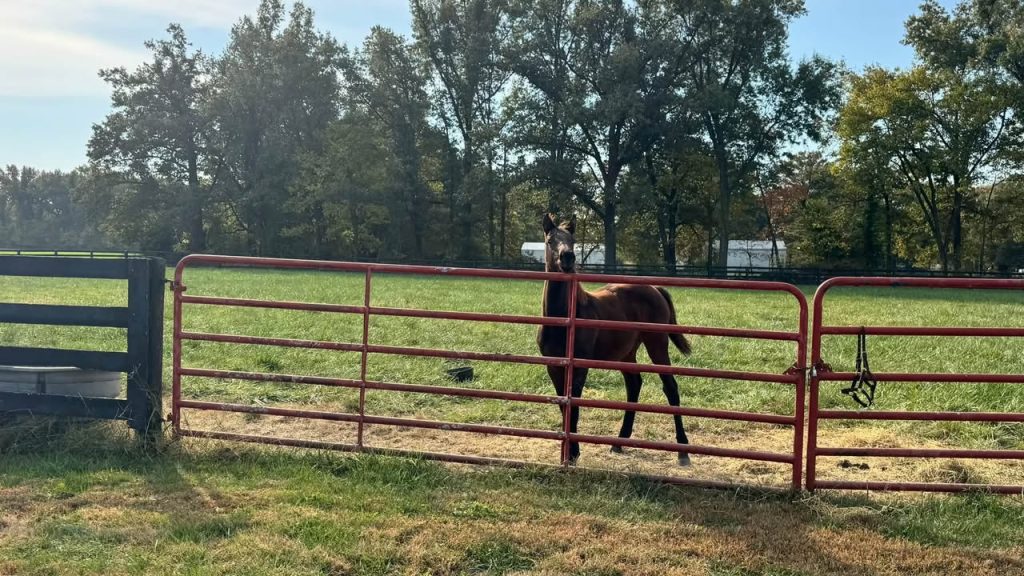
Happy Friday! We hope everyone had a wonderful first week of November!

If your horse received a flu vaccine this spring, it may be time for a booster. Some horses benefit from vaccination eve...
11/04/2026

If your horse received a flu vaccine this spring, it may be time for a booster. Some horses benefit from vaccination every six months, depending on their age, exposure risk and vaccination history.

What is equine influenza?

Equine influenza is a highly contagious respiratory virus that spreads through droplets from infected horses and contaminated equipment. Signs can include:

• Fever, sometimes reaching 102–106°F
• A dry, harsh cough
• Nasal discharge
• Lethargy and decreased appetite
• Decreased performance or difficulty tolerating exercise

Many healthy horses recover with rest and supportive care, but secondary bacterial infections can cause more serious respiratory complications.

Which horses may need a six-month booster?

Influenza is a risk-based vaccine, so the recommended schedule depends on each horse’s circumstances. Horses that may benefit from more frequent boosters include:

• Show and performance horses attending competitions, rodeos, sortings, clinics or other gatherings.
• Horses that travel frequently and encounter unfamiliar horses.
• Horses at boarding or training facilities where horses regularly come and go.
• Horses exposed to new arrivals, even if they never leave the property themselves.
• Young horses, which may be more susceptible and need a vaccination schedule tailored to their age and risk.

Why give a booster in the fall?

For horses vaccinated in the spring and following a six-month schedule, the next dose often falls in autumn. However, equine influenza can occur year-round, particularly when horses travel or come into contact with other horses.

Vaccination helps reduce the risk and severity of illness, but it does not provide complete protection against infection.

Not every horse needs a flu booster every six months. At Beasley Equine Clinic, we can review your horse’s vaccination history, travel plans and exposure to other horses to determine an appropriate schedule.

Call or text the clinic to discuss your horse’s vaccination needs or schedule a fall booster.

Don’t miss the annual Southern FS horse owners meeting! RSVP by November 16th to secure your spot!
11/02/2026

Don’t miss the annual Southern FS horse owners meeting! RSVP by November 16th to secure your spot!

Happy Friday! We hope everyone has a spooktacular weekend! 🐴👻
10/31/2026

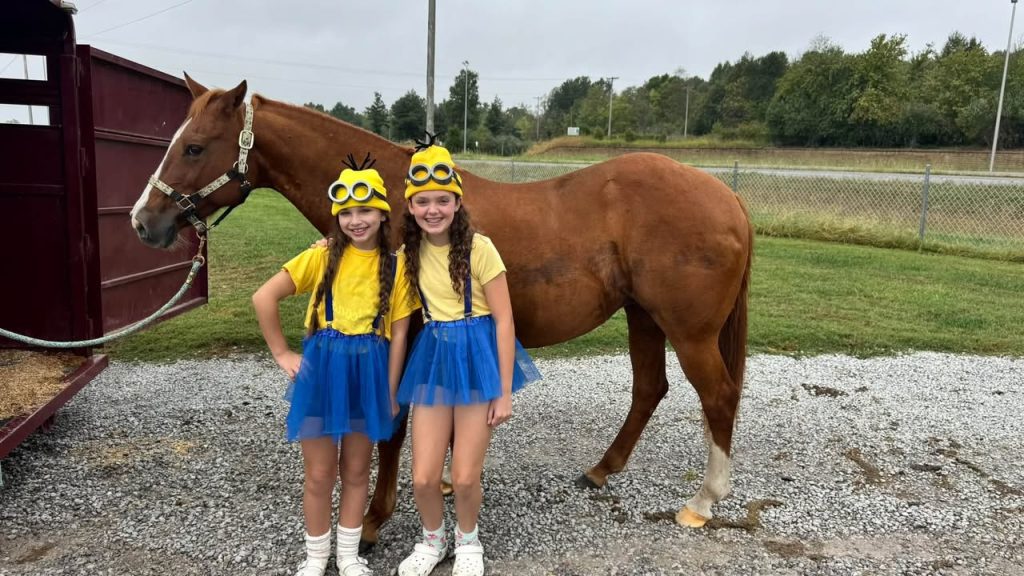
Happy Friday! We hope everyone has a spooktacular weekend! 🐴👻

Knowing how to perform a basic physical exam on your horse is an important tool for a horse owner. These skills are espe...
10/28/2026

Knowing how to perform a basic physical exam on your horse is an important tool for a horse owner. These skills are especially helpful when your horse is sick, showing signs of colic, coughing, has nasal discharge, or during an emergency.

Even more importantly, know what is normal for YOUR horse. Having a baseline makes it much easier to recognize when something isn’t right and gives your veterinarian valuable information when you call.

❤️ Normal heart rate for a typical horse: 28–44 beats/minute

There are two easy ways to check your horse’s heart rate:

With a stethoscope: Place the stethoscope on the left side of the chest, just behind the elbow. Listen for the familiar “lub-dub,” that counts as ONE heartbeat. Count the beats for 15 seconds and multiply by 4.

Using the mandibular artery: Run your fingers along the inside of the lower jaw until you feel a cord-like structure similar to a small piece of spaghetti. Apply light pressure until you feel the pulse, being careful not to press hard enough to collapse the artery. Count for 15 seconds and multiply by 4.

💨 Normal respiratory rate for a typical horse: 8–16 breaths/minute

One breath consists of one complete inhale and exhale. You can watch the movement of your horse’s chest or flank, or use a stethoscope to listen over the trachea or lungs.

Count the number of breaths for 15 seconds and multiply by 4. Pay attention not only to the rate, but also to whether your horse appears to be working harder than normal to breathe.

🌡️ Normal temperature for a typical horse: approximately 99.5–101.5°F

Stand beside the hindquarters rather than directly behind the horse, let your horse know you are there, and carefully insert a thermometer into the re**um. Keep control of the thermometer throughout the process.

🩺 Gut sounds

The abdomen can be divided into four areas:

• Left upper
• Left lower
• Right upper
• Right lower

Use a stethoscope to listen to each area. Gut sounds can vary considerably, but knowing whether they are active, decreased, increased, or absent can provide useful information, especially in a horse showing signs of colic.

💧Mucous membrane and hydration

Lift your horse’s upper lip and look at the gums. Normal gums should generally be pink and moist.

Take note if they appear pale, very bright or dark pink/red, purple, or otherwise abnormal. Horses experiencing severe systemic illness may develop a dark red-to-purple “toxic line” along the gumline.

You can also feel the gums. Moist gums are normal, while dry or tacky/sticky gums may be associated with dehydration.

While you’re there, check capillary refill time (CRT): press firmly on the gum until it blanches white, release, and count how long it takes to return to pink. Normal CRT is generally 2 seconds or less.

🦵Digital pulse

Digital pulses can be felt by palpating the digital arteries along either side of the lower limb near the fetlock/pastern region. Use gentle pressure to to feel the pulse without compressing the artery completely.

A digital pulse may be palpable in a normal horse, but a strong or bounding digital pulse can indicate inflammation or pain within the foot and may be seen with conditions such as a hoof abscess or laminitis.

⚠️Why does all of this matter?

During an emergency, your veterinarian may ask:

“What is their temperature?”
“What is their heart rate?”
“Are you hearing gut sounds?”
“What color are their gums?”
“Do they have increased digital pulses?”

Being able to answer these questions can provide valuable information before your veterinarian even arrives.

**Normal values are general adult-horse reference ranges and can vary with age, exercise, excitement, environment, and individual circumstances. A home physical exam does not replace evaluation by your veterinarian.**

Happy Friday! We had some special guests this week and as always are so thankful for those that keep us busy doing what ...
10/23/2026

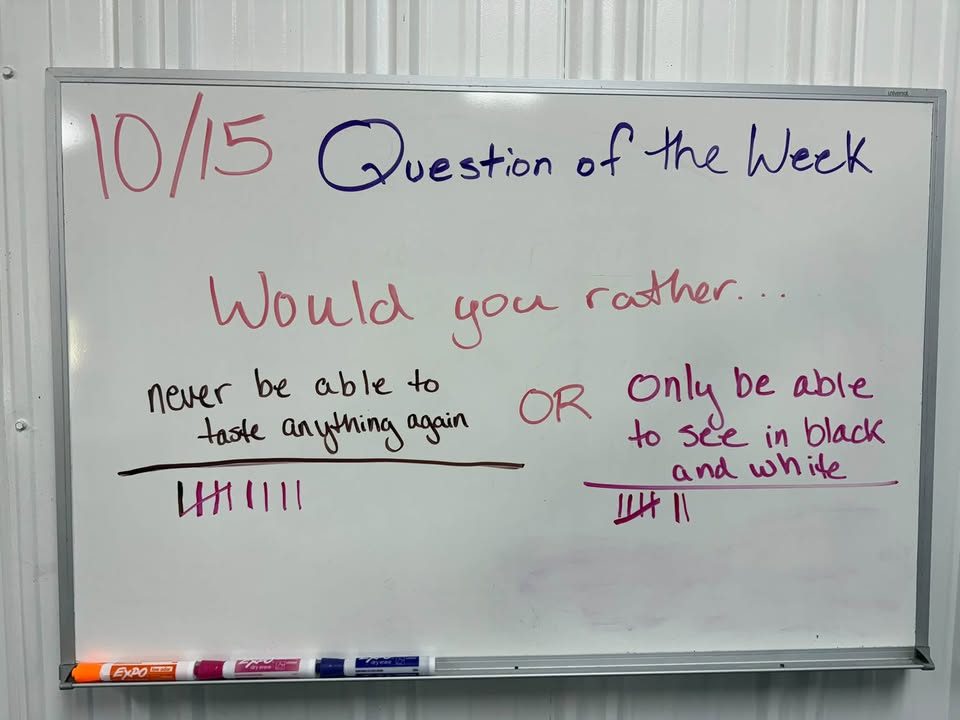
Happy Friday! We had some special guests this week and as always are so thankful for those that keep us busy doing what we love!

PS: What do you think of our question of the week?

Vet Tech Week Spotlight: Autumn Rain's Guide to Proper Leg Wrapping In celebration of Veterinary Technician Week, we're ...
10/20/2026

Vet Tech Week Spotlight: Autumn Rain's Guide to Proper Leg Wrapping

In celebration of Veterinary Technician Week, we're sharing a little knowledge from our very own veterinary technician, Autumn Rain!

One of Autumn's favorite things to do at Beasley Equine Clinic is wrap legs. While it might seem like a simple task, applying a leg bandage correctly is an important skill that requires attention to detail, proper technique, and an understanding of the horse's anatomy.

Why does proper leg wrapping matter?

Leg bandages may be used to protect wounds, secure dressings, provide support in certain situations, or help manage swelling under veterinary direction. However, an improperly applied wrap can do more harm than good.

Here are a few things every horse owner should know:

Even pressure is essential. Uneven or excessive pressure can cause discomfort, restrict circulation, or damage underlying tissues.

Padding matters. Appropriate, smooth, wrinkle-free padding helps distribute pressure and protect delicate structures beneath the bandage.

Placement is important. Bandages must be applied at the correct height and with appropriate coverage for their intended purpose. Poor placement can create pressure points or allow the wrap to slip.

Check your wraps regularly. Watch for slipping, bunching, swelling, moisture, or signs of discomfort. A bandage that has shifted or become too tight can quickly become a problem.

Know when to ask for help. Not every injury or situation calls for the same type of bandage. When in doubt, consult your veterinarian before applying a wrap.

The bottom line? A good leg wrap isn't just about how neatly it looks. It's about protecting the horse and making sure the bandage does its job safely.

Watch Autumn's proper technique demonstration by clicking the Youtube link in the comments.

Happy Friday! We’re wishing everyone a safe weekend enjoying the cooler weather!!
10/16/2026

Happy Friday! We’re wishing everyone a safe weekend enjoying the cooler weather!!

Address

4600 US Highway 45 N
Eldorado, IL
62930

Opening Hours

Monday 8am - 12pm
1pm - 5pm
Tuesday 8am - 12pm
1pm - 5pm
Wednesday 8am - 12pm
1pm - 5pm
Thursday 8am - 12pm
1pm - 5pm
Friday 8am - 12pm

Telephone

+16182739898

Alerts

Be the first to know and let us send you an email when Beasley Equine Clinic posts news and promotions. Your email address will not be used for any other purpose, and you can unsubscribe at any time.

Contact The Business

Send a message to Beasley Equine Clinic:

Shortcuts

Share

Category

Nearby pet stores & pet services