10/11/2026
KEEP A LOOKOUT 👀 ST JOHN'S WORT MIGHT BE IN YOUR PADDOCK!
St John's wort is toxic to sheep, cattle, horses and goats 🐑🐄🐎🐐
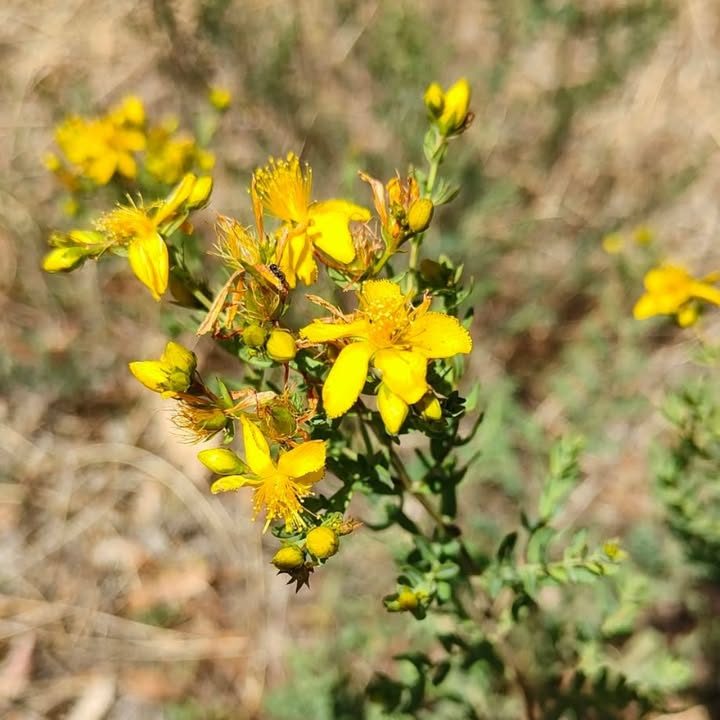
WHAT DOES IT LOOK LIKE?
St John's wort produces yellow flowers from October to January 🌼
- Flowers have 5 petals
- Leaves and branches are opposite each other on the stem
- When held up to the light, leaves appear perforated
HOW DO AFFECTED ANIMALS PRESENT?
Clinical signs can develop within 5 hours of grazing.
- Agitation
- Head rubbing
- Hind limb weakness
- Depression
- Diarrhoea
- Wounds/scabbing of ears and head
- Weight loss
- Reduced wool production
- Reproductive losses
WHAT SHOULD YOU DO?
- Regularly inspect and remove St John's wort from pastures and property boundaries.
- Quarantine new stock to prevent spread of seed onto clean pastures.
- Purchase only certified seed and fodder with minimal w**d contamination.
If you have any questions or concerns, please don't hesitate to reach out and contact us on (02) 6942 4100











